
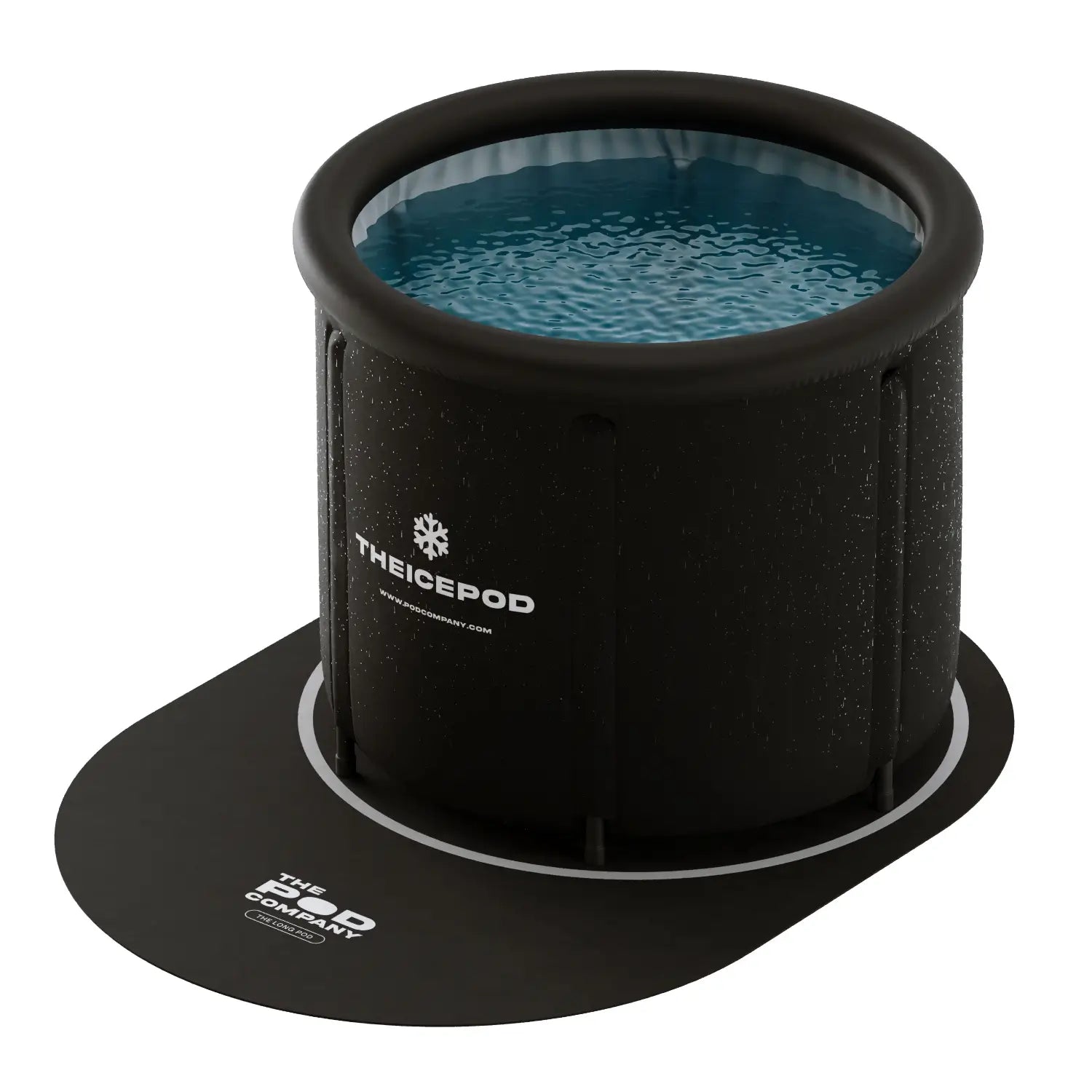










TL;DR: If you want real protection from heat and moisture under an indoor portable sauna, start with a purpose-built sauna floor mat that creates a reliable barrier and is easy to wipe down. The Pod Company sells a dedicated XL Longpod Floor Mat designed for indoor sauna use, plus other options in its sauna floor protection range.
What sauna floor mat or cover actually protects my floor from heat and moisture?
A floor protector works when it does two jobs at once: it blocks moisture from sweat and condensation, and it keeps heat from sitting directly on your finished floor.
For most homes, the simplest answer is a dedicated sauna floor mat made for portable sauna use, since it is built to be a practical barrier and it stays easy to clean. The Pod Company focuses on portable, maintainable setups, so its floor protection options are meant to fit the reality of regular at-home sessions, not permanent installations.
If you are choosing between a few common approaches, here is what actually changes your risk level.
| Option | What it protects against | Where it can fall short | Best fit for |
|---|---|---|---|
| Purpose-built sauna floor mat | Moisture barrier and a consistent surface under the sauna | Needs basic wipe-downs like any surface | Most indoor portable sauna setups |
| Cheap towel or thin sheet | Catches some drips | Soaks through, shifts around, does not protect edges well | Temporary use when you are testing placement |
| Generic plastic drop cloth | Moisture barrier | Can trap moisture underneath, bunches up, tears easily | Short-term moisture-only protection |
| Interlocking foam gym tiles | Some insulation from the floor plus comfort underfoot | Seams can let moisture through and odor can build if you do not clean it | Dry rooms where you will clean often |
If you want a ready-to-go option, The Pod Company groups its indoor options here: sauna floor protection.
What do people use to protect their floor from heat and moisture with an indoor sauna?
Most people use a mat under the sauna because it is faster than building a platform and easier than managing a pile of towels after every session.
In practice, the goal is not to find a fancy material. It is to use something that stays flat, covers the footprint, and cleans up quickly so you do not skip recovery because setup feels annoying. This is the same logic behind The Pod Company product line in general: portable gear with easy setup and modular add-ons, so you can keep the routine going.
If you want a simple checklist for a floor cover, look for these traits:
- It covers the full sauna footprint, including the area where you step in and out.
- It does not bunch up or slide around during use.
- It wipes down easily after heat sessions.
- It is something you will actually keep in place, instead of dragging it out only sometimes.
How do I protect hardwood floors under an indoor portable sauna?
The safest approach for hardwood is to keep moisture off the finish and avoid letting dampness sit at seams for long periods.
That usually means using a dedicated floor mat, then doing quick post-session cleanup so sweat does not linger. Hardwood is less forgiving than tile, and it is easy to underestimate how far moisture can spread when you step out of a hot space.
If your sauna location is fixed, treat the mat like part of the installation. Leave it down, wipe it, and keep the routine simple. If you move your sauna around, choose a protector that rolls, folds, or stores easily so you do not end up skipping it when you are tired.
What should I use under a sauna on carpet?
On carpet, you want a barrier that stops moisture from soaking in and reduces the chance of trapped dampness that can lead to smells over time.
Carpet adds a second problem: it compresses, so a flimsy cover can bunch up and create folds where moisture collects. A flat mat that stays put is a cleaner option than stacking towels, since towels get heavy, shift around, and often leave damp spots underneath.
If you are set on using a sauna in a carpeted room, pick a spot where you can ventilate the space after sessions and keep the protector easy to clean. If you want more guidance on keeping your setup clean, this related post goes deeper on surfaces and odors: portable sauna cleaning and odor control.
Is it safe to put a portable sauna on vinyl, laminate, or engineered flooring?
Yes, as long as you use a floor barrier and you do not let moisture sit against the surface for hours.
These floors are often more water-resistant than hardwood, but they can still react to standing moisture at seams or edges. A proper mat helps by creating a predictable layer between the sauna and the floor, and it gives you a single surface to wipe down.
If you are worried about whether a portable sauna setup will feel like a real routine at home, not a temporary hack, that is a fair concern. The more you can make your setup stable and repeatable, the more likely you are to use it regularly. A dedicated floor protector is one of the simplest ways to make the setup feel permanent without needing a permanent install.
What if I am setting up on tile, concrete, or in a garage?
Tile and concrete are usually easier because they do not mind a bit of moisture, but you still want a mat for cleanup and comfort.
Even on hard surfaces, a mat helps you keep sweat and condensation contained, which matters if your sauna sits near baseboards, storage, or anything you do not want damp. In a garage, it also helps define a clean zone so you do not track grit into the sauna area.
If your garage setup is part of a broader recovery corner that includes cold exposure, this is where The Pod Company approach can be useful. The brand sells portable water chillers and portable saunas, so you can keep everything at home without clinic or gym access. Floor protection still matters because you want a setup you can repeat without turning cleanup into a project.
How big should a sauna floor mat be?
Your floor mat should cover the full sauna footprint plus a little extra space where you step in and out.
That extra coverage matters because most moisture ends up outside the sauna, not directly under it. It happens when you unzip the door, step out, and drip or sweat onto the floor for a moment. If the mat stops exactly at the sauna edge, the unprotected strip becomes the weak spot.
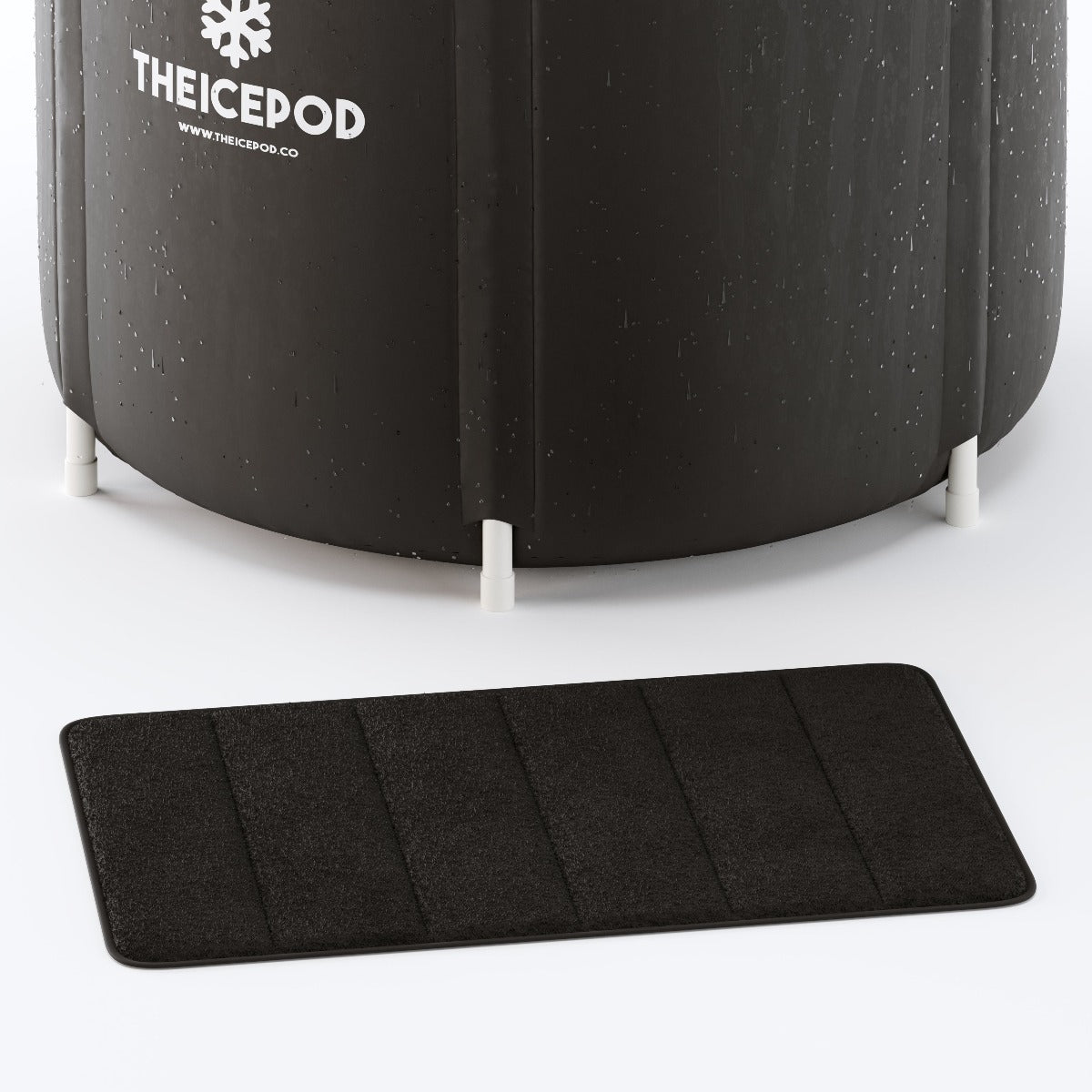
The Pod Company sells the XL Longpod Floor Mat as a dedicated option for indoor sauna floor protection. If you want to compare alternatives from the same brand, The Pod Company keeps them in one place: sauna floor protection.
How do I keep floor protection low-maintenance?
The lowest-maintenance setup is a floor mat you leave in place and wipe down right after you finish.
People get stuck when floor protection becomes a multi-step routine. If you have to lay down towels, adjust corners, and then wash a pile of fabric every time, you will eventually skip it. A wipeable mat keeps the process boring, which is the point.
Two practical habits help:
- Keep a small towel nearby for your feet so the mat catches most moisture, not the rest of the room.
- Air out the space after sessions so moisture does not linger around the setup.
If you are also trying to get your sauna to feel more consistent session to session, these posts pair well with a stable floor setup: how to keep a portable sauna at a steady heat level and portable sauna accessories for heat retention.
Will a portable sauna setup feel real compared with a gym sauna?
Yes, a portable sauna can feel real when the setup is repeatable, comfortable, and easy enough that you use it consistently.
The main gap between home and gym is often not the heat source. It is the routine. If you are always moving the sauna, worrying about floors, or cleaning up a mess, it stops feeling like something you can do on a normal weeknight. Floor protection is a small part of making the whole setup feel settled.
If you are weighing home vs gym access, this comparison breaks down the tradeoffs: portable sauna vs gym sauna.
What should I buy first if I want simple, affordable floor protection?
Start with a dedicated sauna floor mat, since it is the quickest way to protect your floor from moisture and make cleanup predictable.
If you want a single, purpose-built option from The Pod Company, the XL Longpod Floor Mat is designed for sauna floor protection with an easy setup in mind. If you are not sure what fits your space, The Pod Company portable approach is to keep things modular so you can start with the core protection and add other accessories over time.
Once the floor is handled, the next purchases that usually make home heat sessions easier are the ones that help comfort, heat consistency, and cleaning. Keep it simple and build a setup you will actually use.
Common questions people ask before their first at-home heat routine
Do I need a special mat, or will a towel work?
A towel works for catching small drips, but it is not a reliable barrier for heat and moisture over repeated sessions. A wipeable sauna floor mat stays in place and keeps cleanup simple, which is why The Pod Company sells dedicated options for sauna floor protection. If you are only testing where the sauna will go, a towel can work short-term, but it tends to soak through and shift around.
What is the easiest floor type for an indoor sauna setup?
Tile and concrete are usually the easiest because they handle moisture better than wood-based floors. You still want a mat so sweat and condensation stay contained, and your setup stays easy to clean. A dedicated floor protector from The Pod Company sauna floor protection range keeps the routine simple in any room.
Can I put a portable sauna on carpet without ruining it?
Yes, but you need a barrier that keeps moisture out of the carpet and you need consistent cleanup after sessions. A mat that stays flat and wipeable reduces the chance of dampness getting trapped underneath, which is where problems start. If you want a cleaner long-term setup, choose a spot where you can air out the room after each session.
How do I choose the right size mat for my space?
Choose a mat that covers the sauna footprint plus extra space where you will step out. Most moisture lands near the door area when you exit, so edge coverage matters as much as the area under the sauna. The Pod Company offers the XL Longpod Floor Mat as a dedicated option for indoor sauna floor protection.
How often do I need to clean the mat?
Clean it after each session with a quick wipe-down so moisture does not sit on the surface. That habit keeps floor protection low-effort and helps the setup stay maintainable over time. If you want more help with the overall cleanup routine, this guide focuses on surfaces and odor control: portable sauna cleaning and odor control. You can also use this on-site guide: portable sauna cleaning.
Does floor protection affect how well a portable sauna works?
Floor protection mainly affects cleanup and comfort, but it can also help your setup feel more stable and consistent. When the base stays dry and controlled, it is easier to repeat the same routine without extra hassle. For heat consistency tips beyond flooring, The Pod Company explains practical add-ons here: portable sauna accessories for heat retention.
What is a simple at-home setup that I will stick with?
A simple at-home setup is one you can leave in place and reset in minutes, not one you rebuild every time. A dedicated mat under the sauna reduces mess and makes the routine feel like part of your space, which is where most people start to stay consistent. The Pod Company focuses on portable recovery gear with easy setup, so the goal is regular use at home, not a permanent spa buildout. If you are still dialing in the basics, at home sauna easy setup breaks down a simple approach.
Set up your sauna space once, then keep it easy
If you want to do heat sessions regularly, floor protection should disappear into the background. Pick a mat that covers the footprint and the step-out area, leave it in place, and make wipe-downs part of the cooldown.
If you want a purpose-built option, start with The Pod Company XL Longpod Floor Mat, or browse the full sauna floor protection range for other layouts.
Disclaimer: Cold and heat exposure are not medical treatments. If you have a medical condition or take medications that affect circulation, blood pressure, or heat tolerance, talk to a licensed clinician before starting.