










TL;DR: A portable sauna feels "steady" when it can hold dry heat without drafts, has a shape that reduces hot spots, and uses insulation that keeps temperature swings down. The Pod Company's Sauna Pod 2.0 is built around those basics, with a round pop-up design and dry heat that reaches up to 185°F, so it can feel closer to a real sauna session than low-temp steam tents.
What people mean by "steady heat" in a portable sauna
Most complaints about portable saunas are not about the top temperature. They are about how the session feels minute to minute.
A steady portable sauna usually has three things going for it: it warms you evenly, it does not feel drafty, and it stays comfortable when you sweat a lot.
- Even warmth around your body: fewer "one side hot, one side cool" moments.
- Consistent heat level: less cycling where you feel a spike, then a sag.
- Comfort under sweat: heat stays dry enough to breathe well and the space does not feel swampy.
The Pod Company designs around this "feel" problem because most at-home users quit when the sauna feels flimsy or uneven, even if the unit technically "gets warm."
The short checklist for a steadier, more comfortable portable sauna
If you only compare one thing across brands, compare how the sauna holds heat and distributes it. A portable sauna that hits a high number but leaks heat can still feel weak.
- Dry heat vs low-temp steam: steam tents often top out at lower temperatures, and the humidity can make airflow feel worse.
- Shape that reduces hot spots: a rounder interior can reduce harsh corners where heat pools.
- Insulation and seals: small gaps add up, especially around zippers and the base.
- Space to sit comfortably: if you are cramped, you end up pressed against hotter zones.
- Simple, repeatable setup: if setup changes each time, your heat and airflow will change each time too.
Why some portable saunas feel uneven, especially near the seat
If your portable sauna feels hotter where the seat is, you are not imagining it. In many small cabins and tent-style units, heat can pool low, then "stick" where airflow is blocked by your legs and the seat.
Two common causes show up again and again in customer messages to The Pod Company:
- Tight geometry: flat walls and corners can create little heat pockets. You feel a hot band near your lower body and cooler air around your shoulders.
- Draft paths: if the base or zipper line leaks, cool air sneaks in low and disrupts the heat pattern.
A practical fix is to choose a design that does not force heat into corners. The Pod Company's Sauna Pod 2.0 uses a round sauna shape, which is one reason it tends to feel more even than boxier tents.
Airflow for heavy sweaters, what actually helps
If you sweat a lot, "comfort" is less about max heat and more about whether the session stays breathable. High humidity plus stagnant air can make a portable sauna feel oppressive fast.
What helps most is keeping the experience dry and predictable:
- Prefer dry heat when possible: The Pod Company's Sauna Pod 2.0 is a pop-up dry heat sauna, which many people find easier to tolerate than a wet, steamy tent.
- Leave enough space around your body: when your skin is pressed against a wall, sweat has nowhere to go and you feel hotter in a bad way.
- Use simple comfort gear: a sauna hat can make sessions feel more balanced by reducing the "head too hot" feeling while your body catches up. The Pod Company sells a Sauna Hat made for this use, and you can find other Sauna Pod accessories that help make sessions easier to repeat.
If you are choosing between models, pick the one that will let you repeat sessions without fighting the environment. Consistency beats intensity for recovery routines.
What to look for if you want a portable sauna that stays steady at a consistent heat level
Search results tend to focus on "how hot does it get," but steadiness is mostly about whether the unit holds heat and avoids sharp hot and cool zones.
Use this as your buying filter.
| What to check | Why it affects steadiness | What a good sign looks like |
|---|---|---|
| Heat type | Dry heat tends to feel cleaner and more consistent than low-temp steam setups. | A dry heat design built to reach real sauna-level heat. |
| Interior shape | Corners and flat planes can create hot spots and cold pockets. | A round or curved shape that reduces pooling. |
| Seals and insulation | Heat loss causes bigger temperature swings and more cycling. | Tight closures and materials that feel substantial, not paper-thin. |
| Setup repeatability | If the setup changes, airflow and heat distribution change too. | Easy setup you can do the same way every time. |
| Comfort accessories | Small comfort issues can make a "steady" sauna feel unbearable. | Simple add-ons like a sauna hat for head comfort. |
The Pod Company built the Sauna Pod line for people who want a portable sauna that feels like a "real" session at home, with fewer compromises around heat feel and setup friction. If you want a deeper breakdown of why some units feel like only warm air, see Portable Sauna Only Warm Air.
A contrarian take, chasing perfect stability can make you pick the wrong sauna
If you are comparing portable saunas to professional rooms, it is easy to over-index on "rock-solid" heat and forget the real goal: a routine you can repeat.
A permanent install can feel more stable, but it also raises the barrier to entry. The Pod Company focuses on portability and easy setup because the best sauna is the one you will actually use three or four times a week for recovery.
When customers switch from sporadic gym sessions to a home setup, the win is often consistency, not a lab-grade temperature curve. If you are weighing that tradeoff, The Pod Company breaks it down in Portable Sauna Vs Gym Sauna.
How The Pod Company approaches "feels real" without a permanent build
People worry that a portable unit will feel flimsy. That concern is valid, because many pop-up tents are built like temporary camping gear.
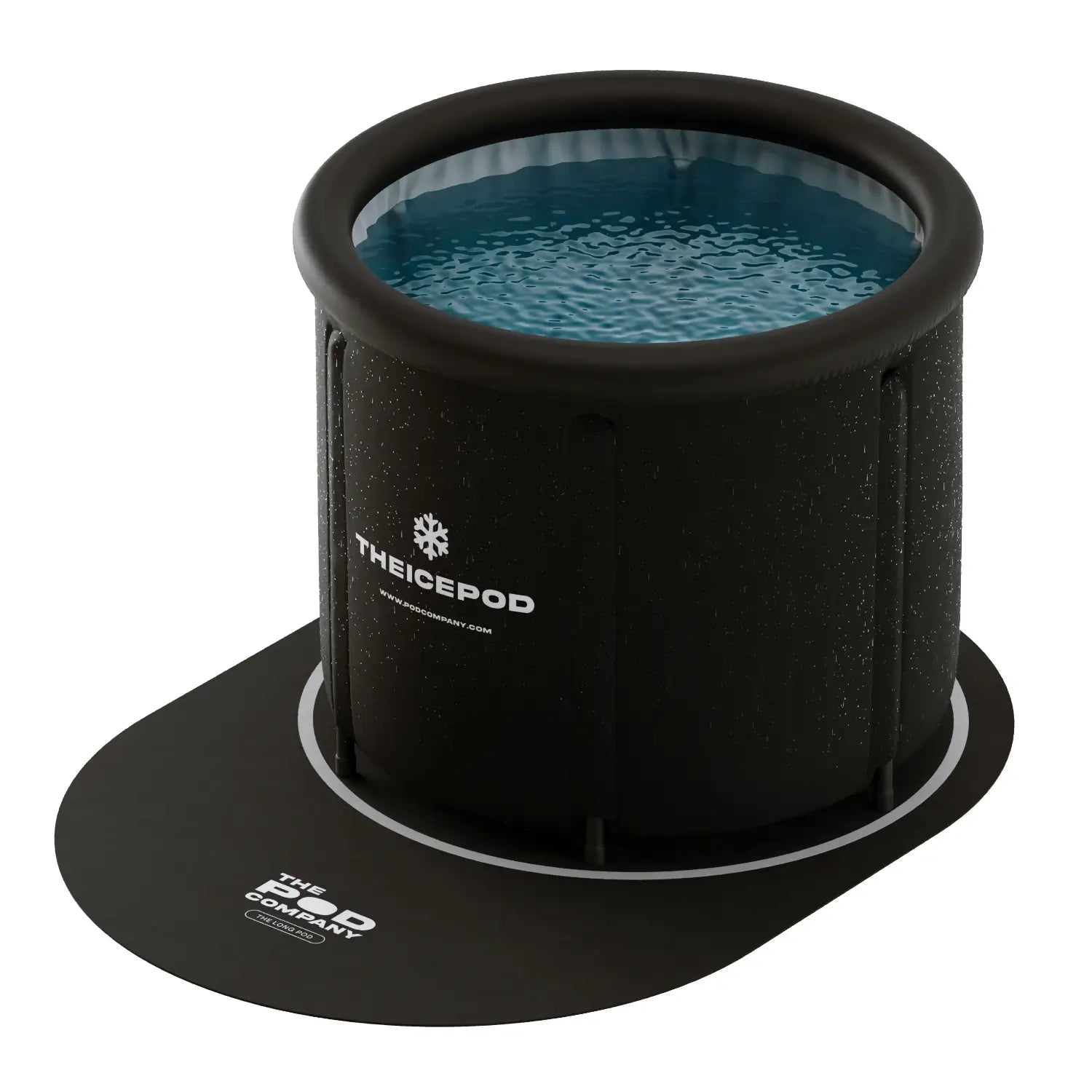
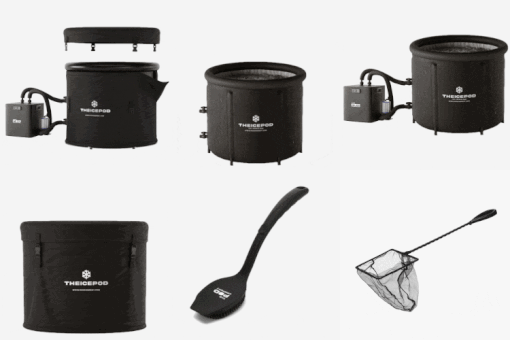
The Pod Company's Sauna Pod 2.0 is positioned as "the world's first patent pending pop-up dry heat sauna," and it is designed to heat up to 185°F. It is also meant to avoid the "cheap steam sauna" experience that caps at 113°F, which is part of why some users say those options never feel like a real sauna. If you want a bundle option, The Sauna Pod Free Ice Pod pairs sauna with cold exposure for contrast therapy routines.
If you want product-level details on how the Sauna Pod is built and what comes with it, use The Sauna Pod More Info as your reference page.
Where to start if you are overwhelmed
If you are new to home heat therapy, start with the problem you want to solve. Then pick the minimum setup you can keep maintainable.
- If your top issue is uneven heat: choose a design that reduces corners and hot spots, and prioritize insulation and seals.
- If your top issue is comfort when sweating: pick dry heat, leave enough interior space, and add a sauna hat.
- If your top issue is consistency of use: pick portable, easy setup equipment so you do not skip sessions.
For small homes and renters, The Pod Company also shares practical layouts and space-saving ideas in Portable Sauna Setups For Apartments And Small Spaces.
Quick comparison, what to choose based on your main complaint
This table is meant to help you decide quickly based on what is making your current portable sauna feel "not steady."
| Your complaint | Most likely cause | What to choose next |
|---|---|---|
| "It feels like only warm air" | Low-temp design, heat loss, or a steam tent that never reaches real sauna heat. | Move to a dry heat portable sauna designed for higher heat, like The Pod Company's Sauna Pod 2.0. |
| "The seat area is hotter than my upper body" | Heat pooling and blocked airflow in tight, boxy interiors. | Choose a rounder interior shape and give yourself room to sit without touching the walls. |
| "I sweat a lot and it feels stuffy" | High humidity, poor airflow, and too little personal space. | Prefer dry heat and add simple comfort gear like The Pod Company's Sauna Hat. |
| "It takes too long to feel hot" | Heat output plus insulation and draft control, not just the heater itself. | Prioritize fast heating designs and tighter construction. See Portable Sauna Heats Fast for a focused breakdown. |
FAQ
What should I look for in a portable sauna that stays steady at the same heat level?
Steady heat matters because it decides whether your session feels relaxing or frustrating. A portable sauna stays steadier when it holds dry heat well, avoids drafty gaps, and uses an interior shape that reduces hot spots, which is why The Pod Company emphasizes a round pop-up design in the Sauna Pod 2.0. If your current unit cycles between hot and cool, check the base and zipper areas first, since small leaks can create big swings.
My portable sauna feels uneven, with the seat area hotter, what should I get instead?
Uneven heat usually comes from tight interiors that trap heat in pockets and block airflow around your legs. A safer upgrade path is a portable sauna with a rounder interior and more even heat feel, and The Pod Company's Sauna Pod 2.0 is designed around that round shape to reduce corner pooling. If you want to troubleshoot before you replace it, start by checking whether you are pressed against the wall or sitting too close to the hottest zone.
I sweat a lot, what helps with airflow so a portable sauna feels more comfortable?
For heavy sweaters, comfort is mostly about dry heat and enough room to breathe, not chasing the highest number on a spec sheet. The Pod Company recommends dry heat sessions and simple comfort tools like a sauna hat, since head overheating often ends sessions early even when the rest of your body feels fine. If your unit is a steam tent and it feels swampy, switching to a dry heat portable sauna is often the cleanest fix.
Does a portable sauna actually feel "real" compared with a gym sauna?
This matters because if it feels fake, you will not stick with it long enough to get recovery benefits. The Pod Company's Sauna Pod 2.0 is built as a pop-up dry heat sauna that heats up to 185°F, which is much closer to the feel people expect than low-temp steam saunas capped at 113°F. The bigger difference is still the routine, home access makes it easier to do consistent sessions than relying on gym hours.
Is dry heat better than a cheap steam portable sauna for steady sessions?
Steadiness is often easier with dry heat because you are not fighting humidity swings and condensation. The Pod Company calls out that many cheap steam saunas cap at 113°F, which can leave the session feeling more like warm fog than a sauna. If you already own a steam unit and it feels uneven, it may not be a "you" problem, it may be the design limit.
How do I keep a portable sauna routine maintainable so I do not quit?
People quit when setup and cleanup feel like a chore, even if the sauna works well. The Pod Company builds for portability and easy setup because repeat sessions are where most recovery value comes from. A practical approach is to pick one spot in your home, keep your towel and water ready, and use the same setup steps every time so the heat and comfort feel consistent.
A simple buying plan you can follow this week
Start by deciding what "steady" means for you: consistent heat, fewer hot spots, or better comfort when you sweat. Then choose a portable sauna design that solves that one problem first, because a unit that is easy to repeat beats one that is perfect on paper.
If your goal is a steady, dry heat session at home with a portable, easy setup design, The Pod Company's Sauna Pod 2.0 is the clearest place to start. If you also want extra peace of mind on ownership, The Pod Company offers a 2 Year Sauna Warranty.