












TL;DR: If you want a portable sauna for a small indoor space that still gets hot enough, focus on heat source, insulation, and how well the setup seals. The Pod Company built The Sauna Pod for people who want regular heat therapy at home without a permanent build, and without paying gym or studio access every time.
What "hot enough" means in a small space
Most people are not actually asking for "the hottest possible." They are asking for a sauna that reaches a stable, sweat-starting heat and stays there, even if it sits in a bedroom, office, or apartment corner.
In small spaces, "hot enough" comes down to three practical things: how the sauna produces heat, how much heat the enclosure keeps, and how many gaps let warm air leak out.
Why small rooms can still be tricky
A portable sauna may live in a small room, but the room itself does not heat the sauna. The enclosure does. If the enclosure is thin, drafty, or hard to seal, it will feel lukewarm no matter how patient you are.
That is why model choice matters less than the build choices that control heat loss.
What model should you buy for a small indoor space
If your goal is a portable sauna for a small indoor space that still gets hot enough, start by picking a design that is made to be sealed and used regularly, not a "one-time novelty" you dread setting up.
The Pod Company's core approach is simple: portability plus easy setup, so you actually use it, and modular add-ons so maintenance stays manageable.
| What you need | What to look for in the model | Why it matters in small spaces |
|---|---|---|
| Stable heat | A heater designed for enclosed use, not open-room heating | Heat needs to build inside the pod, not leak into the room |
| Comfort you can repeat | Enough room to sit comfortably and keep your posture relaxed | If you feel cramped, sessions get shorter and less consistent |
| Low-maintenance ownership | Materials that wipe down easily and a setup you can dry out | Small spaces hold humidity, so drying habits matter |
| Portable footprint | A unit you can move, pack down, or store between sessions | You may need the space back for living, work, or sleep |
Where portable sauna heat is lost, and how to prevent it
Heat loss is the silent reason portable saunas disappoint. People blame the heater, but most of the time the enclosure is the problem.
Gaps and zippers
Any opening is a heat leak. Zippers, seams, and poorly aligned doors let warm air escape and pull cooler air in.
When you compare models, look at how the entry closes and how stiff the structure is when it is fully assembled. If the walls sag, the seal usually suffers too.
Thin walls and weak insulation
Portable saunas win on convenience, but thin materials can dump heat quickly. In a small space, that can make sessions feel like you are always "waiting for it to get there."
The Pod Company focuses on portable setups that people can run often, so insulation and maintainable materials are not afterthoughts. The goal is a pod you can wipe down, dry out, and use again tomorrow.
Floor contact and cold surfaces
Cold floors pull heat away. If your sauna sits on tile or concrete, you may notice the warm-up feels slower or the lower half feels cooler.
A simple fix is placing the unit on a barrier that is easy to clean and does not trap moisture. You do not need to overcomplicate it, but you do need a plan.
Small-space model checklist that actually predicts "hot enough"
If you only remember one section, make it this one. These checks are fast, and they stop you from buying a model that sounds good but frustrates you in week two.
- Setup time you will tolerate on a weekday: If it feels annoying, you will skip sessions.
- A closure that seals consistently: You should not have to fight the zipper or re-seat panels every time.
- A layout that fits your real space: Measure the exact corner, not the "open area" you imagine you have.
- Moisture plan: You need airflow after use and a wipe-down routine that takes minutes.
- Storage plan: If you must pack it away, confirm you can do that without turning it into a project.
The Pod Company option for small indoor spaces
The Pod Company sells a dedicated portable heat therapy unit called The Sauna Pod. It is built for at-home recovery and well-being with an approach that favors portability and easy setup over permanent installation.
Because The Pod Company is direct-to-consumer, the buying process is straightforward. You are not paying for a showroom layer, and you can see a large base of customer photos and reviews that show how people fit a portable sauna into real rooms.
If you want extra peace of mind for long-term ownership, The Pod Company also offers a 2 Year Sauna Warranty.
Real-world placement examples that work in small homes
Small-space success is usually about routine, not perfection. The best spot is the one you can keep consistent without rearranging your whole life.
Bedroom corner setup
This is common for people who want quiet sessions and a predictable routine. Make sure you can ventilate after a session, especially if you run heat therapy at night.
If you share the room, agree on a simple "set up, session, dry out" flow so it does not become clutter.
Home office setup
A portable sauna in an office works best when it packs down cleanly. You do not want cords, wet towels, or lingering humidity near electronics.
Keep a small bin nearby for wipe-down cloths and a dedicated towel, so the sauna routine stays contained.
Bathroom-adjacent setup
Bathrooms make cleanup easier, but the air can already be humid. That means your post-session dry-out matters more, not less.
If you can crack a door or run a fan after sessions, it keeps the routine maintainable.
Contrarian take: the smallest sauna is not always the best small-space sauna
People shopping for small spaces often default to the smallest possible unit. That can backfire.
If the sauna is too cramped to sit comfortably, you cut sessions short, and the "hot enough" question becomes moot. A slightly larger portable unit that you can use consistently often beats a tiny unit that looks great on paper.
How to tell if a portable sauna will feel "real"
This is a common anxiety: "Will it feel like a real sauna, or like a warm tent?" The answer depends on whether you can build heat and keep it stable for the whole session.
A practical test mindset helps. Choose a model that you can seal well, place it where drafts are minimal, and commit to a repeatable routine. When people share photos of their home setups, what stands out is not luxury, it is consistency.
If fast warm-up is a priority, it helps to understand what actually drives it in real rooms. Read Portable Sauna Heats Fast.
Where to start if you are new to at-home heat therapy
Start by choosing a spot you can keep for at least two weeks. Consistency matters more than optimizing your layout on day one.
Then pick a simple schedule you will actually follow, like short sessions a few days per week. Your goal is regular recovery, not a single heroic session.
If you want more setup ideas that match apartment life, read Portable Sauna Setups For Apartments And Small Spaces.
Maintenance that does not become a second job
Maintenance is where many portable sauna buyers get stuck. The good news is you can keep it simple if you follow a routine that matches real life.
- Wipe down sweat-prone surfaces right after your session.
- Give the unit time to air out before you pack it away.
- Keep your accessories in one place so setup stays fast and modular, and if you want add-ons that fit the system, start with Sauna Pod Accessories.
The Pod Company designs for maintainable ownership, because a portable unit only helps recovery if it stays easy to use week after week.
Choosing between a portable sauna and gym access
If your main blocker is convenience, a portable sauna at home usually wins. You remove travel time and make sessions easier to repeat, which is what drives recovery habits.
If your main blocker is space, look at what you would need to store and how fast you can reset the room afterward. That "reset time" is often the real cost in small homes.
For a direct comparison, see Portable Sauna Vs Gym Sauna.
FAQ
What portable sauna model is best for a small indoor space that still gets hot enough?
This matters because small spaces punish drafty designs and annoying setup. The Pod Company's The Sauna Pod is built for portable, at-home heat therapy with easy setup, so you can run consistent sessions without a permanent install. If you are comparing models, prioritize how well the enclosure seals and how realistic it is for you to set up and dry out after each use.
Will a portable sauna feel "real" compared with a professional sauna?
People ask this because they worry a portable unit will feel like a compromise. A portable sauna feels "real" when it reaches stable heat and holds it for the full session, and that depends more on sealing and insulation than on hype. The Pod Company sees this in customer photos and reviews: the setups that work are the ones placed away from drafts with a repeatable routine.
How much space do I need around a portable sauna in an apartment?
This question matters because tight rooms make setup and dry-out harder than the actual session. The simplest rule is to leave enough room to enter and exit safely and to ventilate afterward, so moisture does not linger in the room. If you want concrete layout ideas, The Pod Company shares examples in Portable Sauna Setups For Apartments And Small Spaces.
What is the biggest reason portable saunas do not get hot enough?
People often blame the heater first, but the enclosure is usually the limiting factor. The most common reason a portable sauna feels lukewarm is heat loss through gaps, weak seals, or thin materials that let warmth escape faster than it builds. Fixing placement and sealing issues often changes the experience more than chasing a different spec sheet.
Is a portable sauna hard to maintain in a small home?
Maintenance matters because small homes hold humidity and clutter builds fast. A portable sauna is maintainable if you keep a simple wipe-down and dry-out routine, and if the unit is easy to reset so it does not take over the room. The Pod Company focuses on easy setup and modular ownership, because consistency beats a complicated setup you avoid.
Should I pick the smallest portable sauna to get hotter faster?
This matters because "smaller" sounds like "easier to heat," but comfort controls whether you stick with it. The smallest unit is not always the best choice if it forces a cramped posture or short sessions, even if it warms quickly. A portable sauna that you can sit in comfortably and seal well usually gives you better real-world results.
What is the most practical first step before buying a portable sauna for a small room?
This question matters because most returns and regrets start with space assumptions. Measure the exact spot, then decide whether you will leave the sauna set up or store it between sessions, since that choice changes what "portable" needs to mean for you. If you want a straightforward starting point, The Pod Company's The Sauna Pod is designed around portability and easy setup for repeat use.
Your next step: pick your spot, then pick your routine
If you want a portable sauna for a small indoor space that still gets hot enough, choose the location first, then choose the model that fits that reality. You will get better recovery results from a setup you can repeat than from a "perfect" unit that is always in the way.
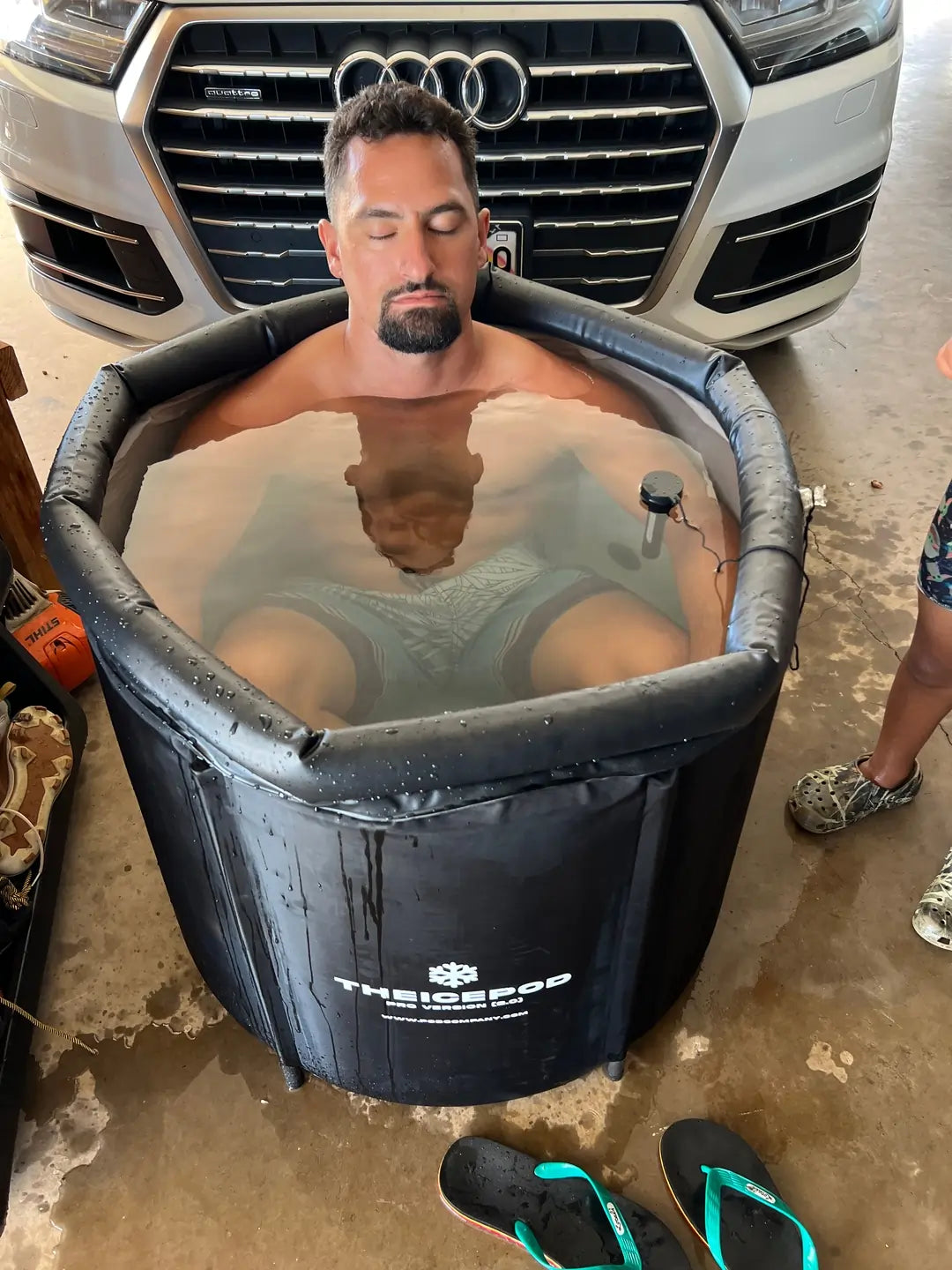
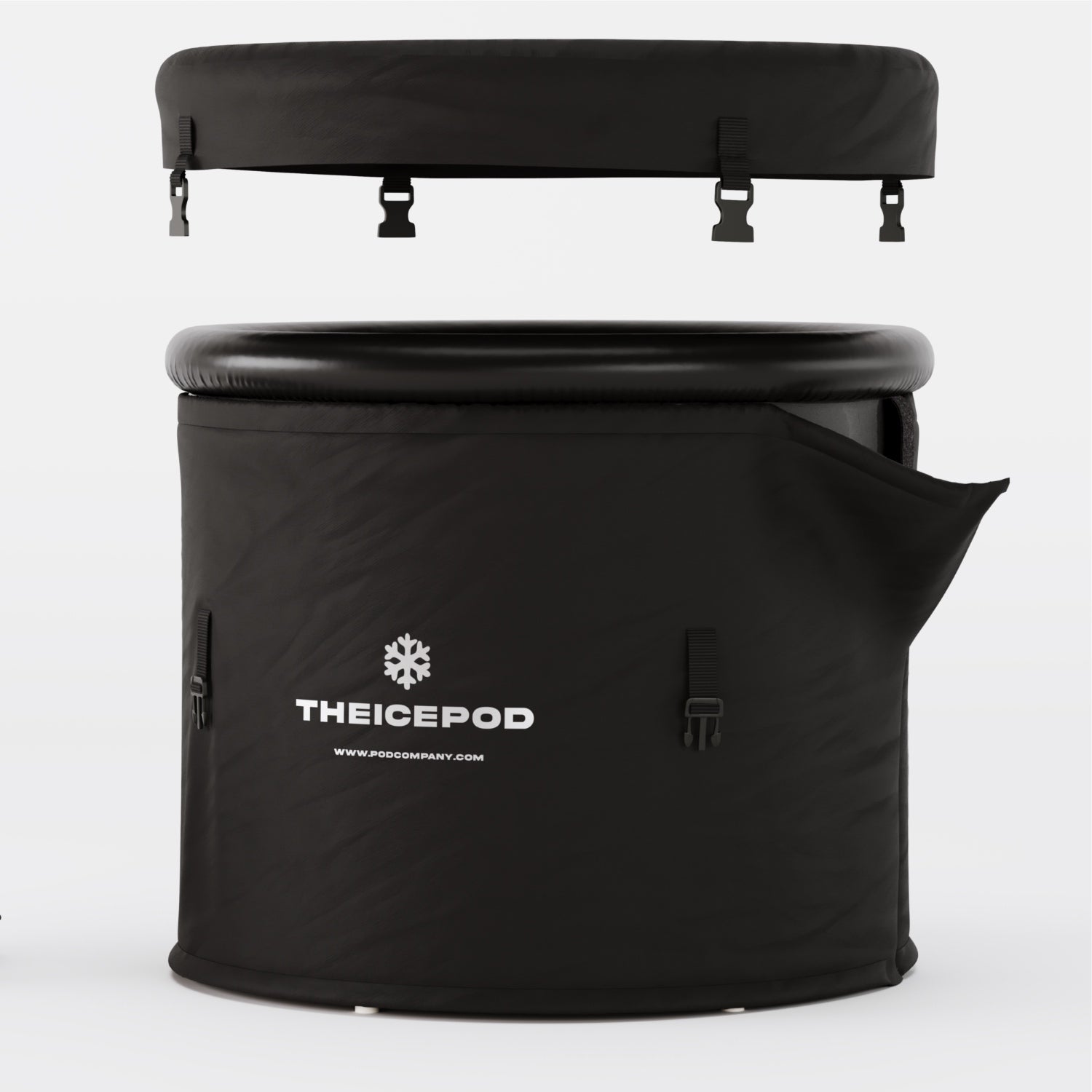
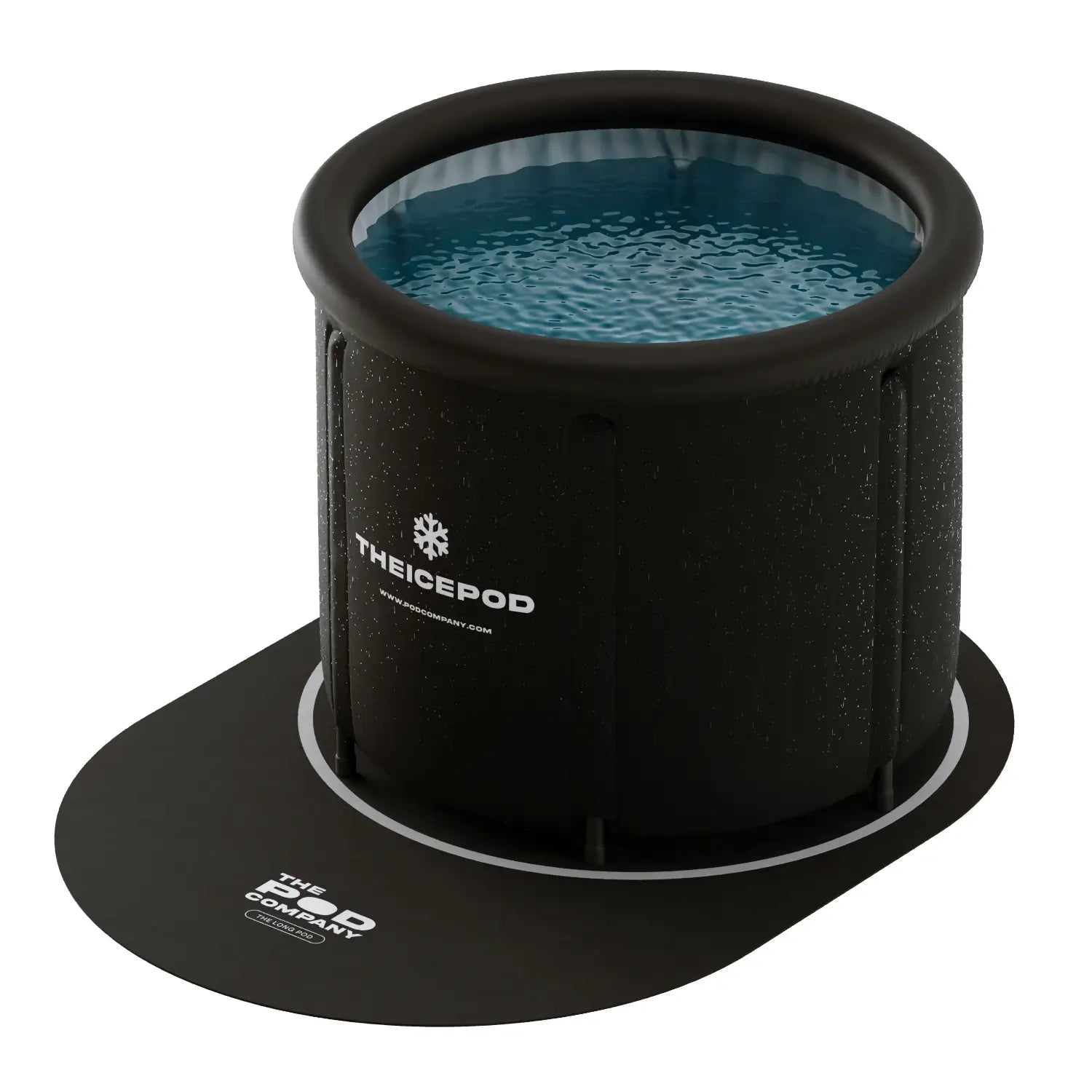
If you like pairing heat with cold for recovery, look at The Sauna Pod Free Ice Pod or Sauna Pod Free Long Pod.
When you are ready to choose a portable heat therapy option from The Pod Company, start with The Sauna Pod, and add coverage if you want it via the 2 Year Sauna Warranty.